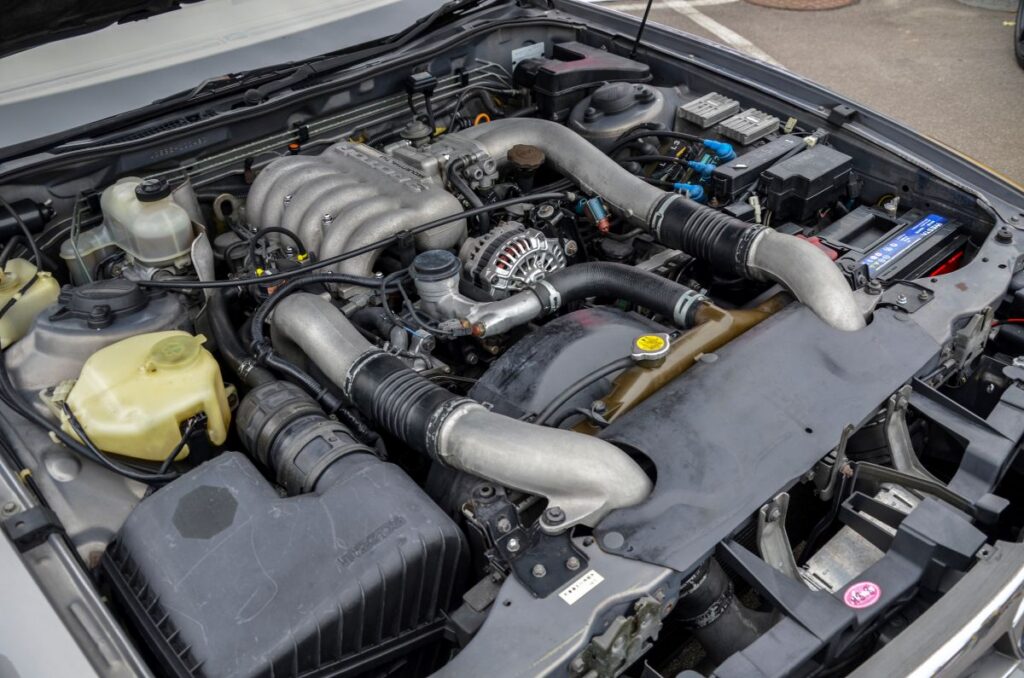
The rotary engine was invented by German engineer Felix Wankel, patenting the design in 1929, around 80 years after the piston engine. The first working prototypes were built in the 1950s. According to legend, later in life, Wankel also owned a Mazda RX-7 FC.
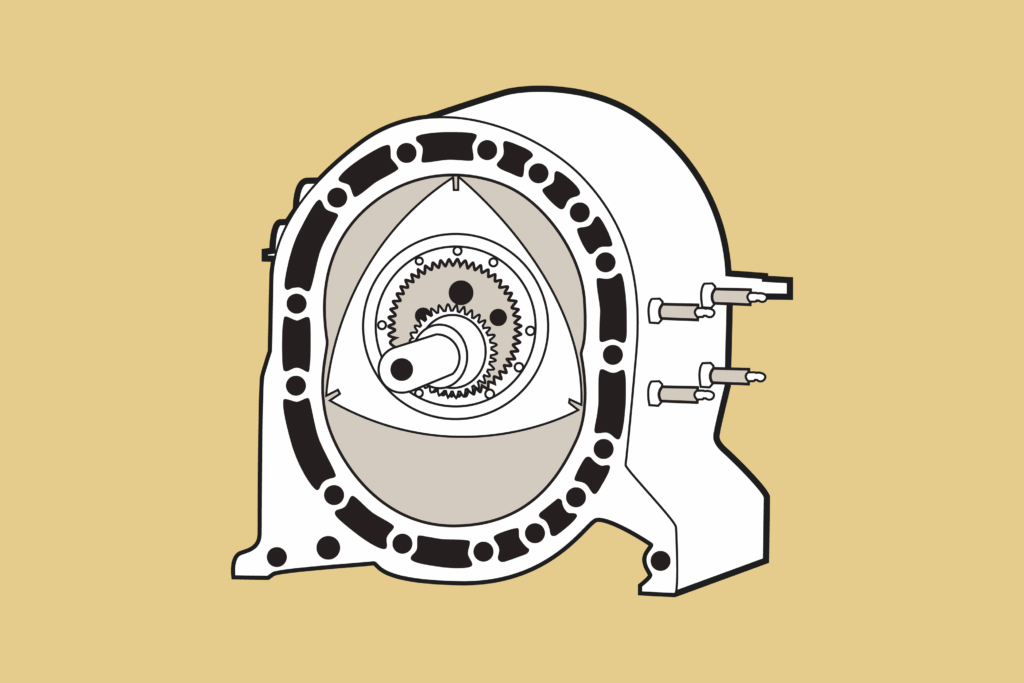
A rotary engine supplies torque for about two-thirds of the combustion cycle, rather than the one-third of a conventional piston engine. Because the rotor is always spinning, they also have fewer vibrations, giving a smoother feel.
Most famously, Mazda is the carmaker that put the rotary into widespread use. Their first production car to use a Wankel was the Cosmo in 1967.
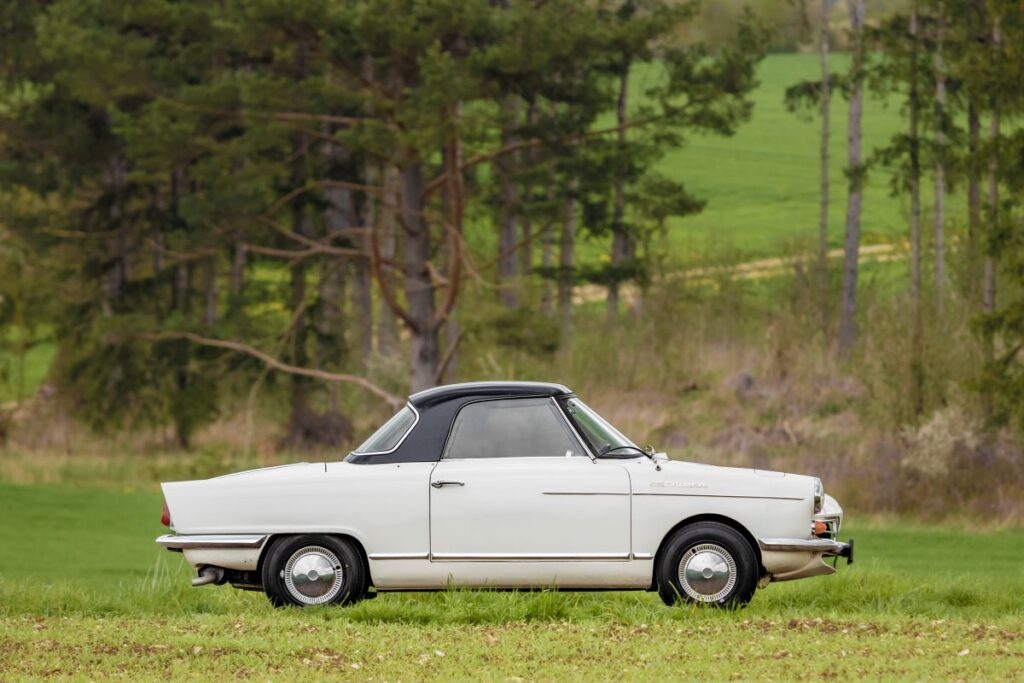
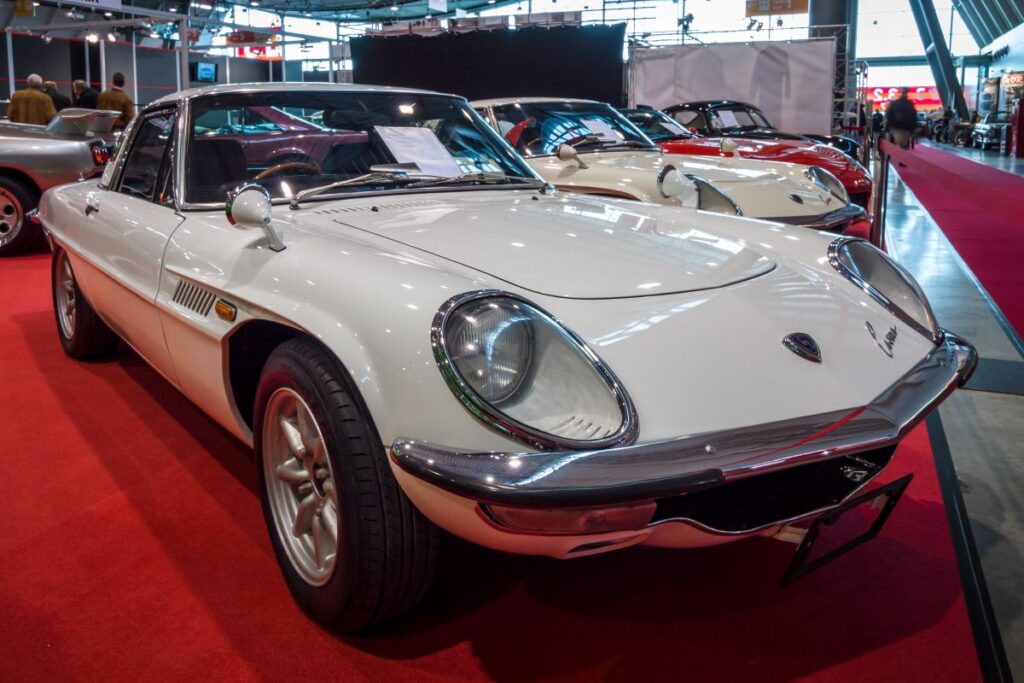
The first production car to be fitted with a rotary engine was the NSU Spider, a full five years before Mazda launched the Cosmo. Many other concepts from other manufacturers have been fitted with rotary engines over the years, including the Mercedes C111 and even a diesel version in a Rolls-Royce.
The legendary ‘green and orange’ four-rotor 787B is the only rotary-engine-powered race car to win at the 24 Hours of Le Mans. This also made it the first, and so far only, Japanese car to win. Mazda retired the 787B when the rotary engine was banned for the 1992 season.
Rotary engines tend to be small in capacity, but can produce far more horsepower for their size than a conventional engine. A standard 1.3-litre rotary will have a similar power output to a 2.5-litre piston engine.
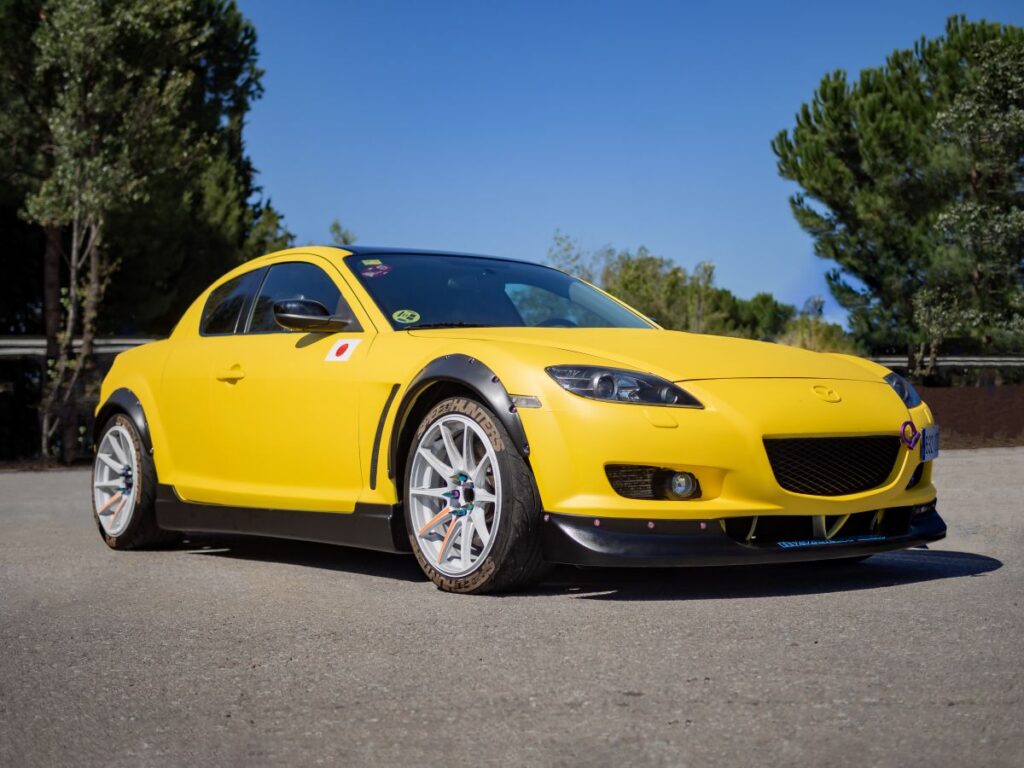
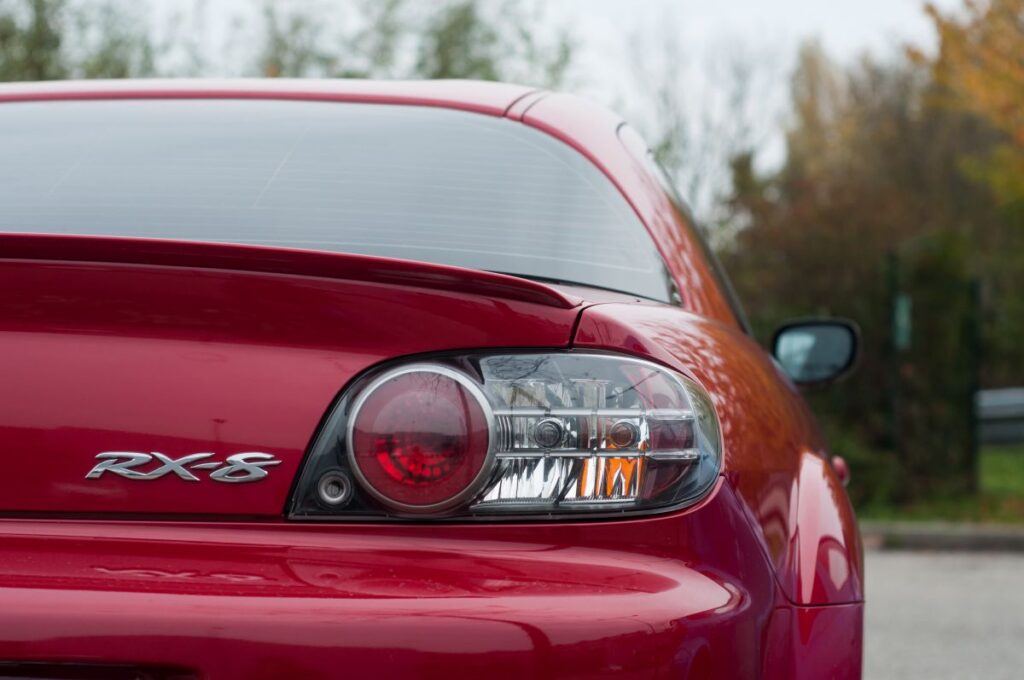
The last production car to use a rotary engine was the Mazda RX-8, which ceased production in June 2012. This was largely due to more stringent emissions regulations being introduced around the world.
Although many of Mazda’s most famous rotary-powered cars have turbochargers, early cars and plenty of base models didn’t utilise forced induction. Notably, the RX-8 Renesis engine didn’t have a turbo, either.
It’s all but impossible to seize a rotary engine, one of the main reasons they’re popular for use in light aircraft. Another reason is that they’re generally two-thirds lighter than their piston-engine equivalent.
Because rotary engines have far fewer moving parts to limit speed, they can rev higher than most piston engines; above 10,000rpm is not uncommon in standard production cars.
Apart from cars, rotary engines have been used in everything from go-karts and chainsaws to military drones and helicopters. Some Parkway Buses were fitted with the famous Mazda two-rotor 13B in the 1970s. These were called the Parkway Rotary 26.
The first practical use of hydrogen fuel in a rotary engine was in the RX-8 Hydrogen RE. Using hydrogen rather than petrol is said to be around 25% more efficient.
The Mazda Roadpacer was a luxury JDM car in the 1970s. Aside from the 13B rotary engine fitted by Mazda, the rest of the car wasn’t a Mazda; it was built by Holden in Australia.
Perhaps the most famous rotary engine car is the FD Mazda RX-7. This car featured in The Fast and The Furious, driven by Vin Diesel in the first street racing scene.
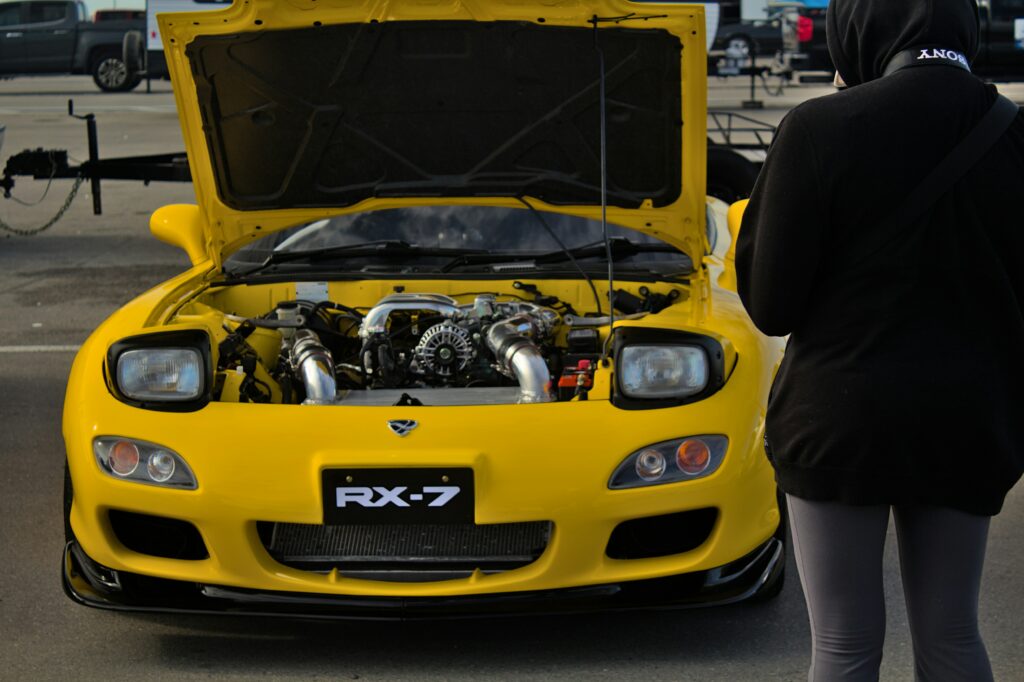
Even though most RX-7s in the UK are JDM imports, all three generations of RX-7 were officially available through Mazda dealers. JDM cars, however, had higher power outputs and better specs; UK cars were slightly detuned to meet emissions regulations.
Rotary engines may produce more power than piston engines, but due to the fact they have an incomplete combustion cycle (where not all the fuel delivered is burned) they are far less efficient and produce significantly more harmful emissions.
One of the most interesting rotary-powered vehicles is the Yamaha RMAX series UAV, which is still used for precision farming around the world.
The 1970s single-rotor 12A-powered Mazda RX-3 was extremely popular in Australia and has a cult following to this day. Iconic in Group C touring car racing, it won the Bathurst 500 in 1973, competing against more traditional, and significantly larger, V8 cars like the Ford Falcon.