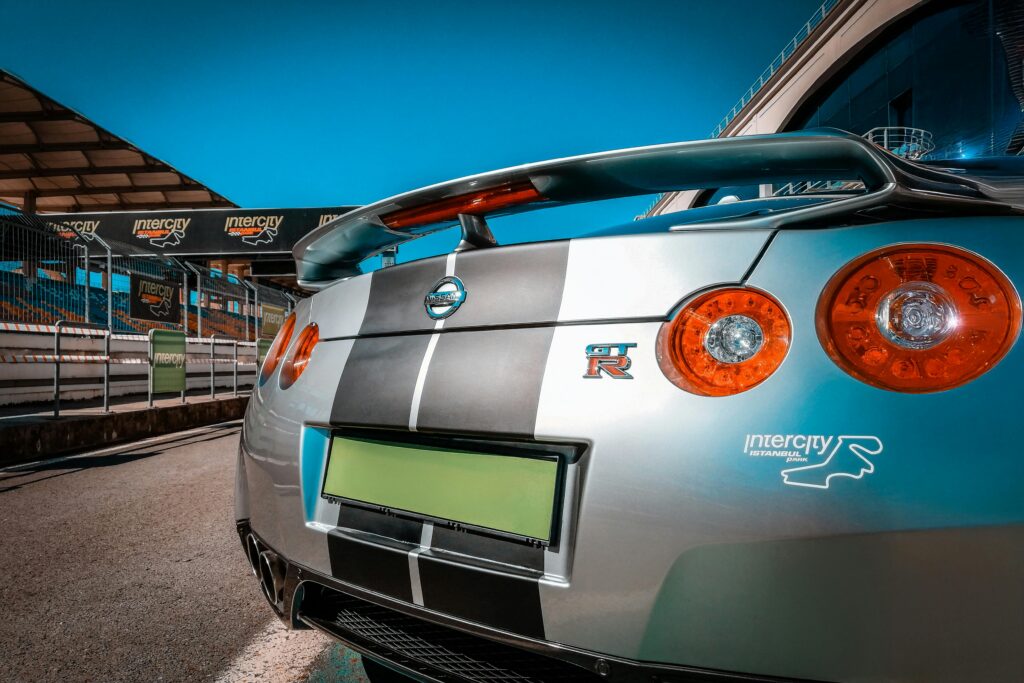
From the neon-soaked streets of Tokyo to the legendary ‘Green Hell’ of the Nürburgring, few names carry as much weight in the automotive world as Nissan. Originally a holding company born from the world of stocks and shares, Nissan transformed from a metal foundry into a global leader in performance and innovation.
While the brand is famous for its ‘Godzilla’ supercars and the pioneering success of the all-electric Leaf, its roots are deeply intertwined with the Datsun and Prince names – bringing us everything from nimble ‘rabbit-like’ city cars to the dominance of the Skyline on the racetrack. Nissan’s history is a story of constant evolution, marked by high-stakes racing rivalries, master craftsmanship, and a relentless drive to push the boundaries of turbocharging and technology.
Whether you’re a die-hard fan of the iconic Hakosuka or you’re following the brand’s bold shift toward a new electrified era, here are ten facts you may not know about the legacy of the Nissan Motor Company.
1. The Nissan name came from stocks and shares
The first use of the Nissan name came in the 1930s. The first president of Nissan, Yoshisuke Aikawa, founded the holding company Nihon Sangyo in 1928. Nissan came from the abbreviation of the two words (Ni and San), the same abbreviation that was used to represent Nihon Sangyo on the Tokyo Stock Exchange.
2. Nissan didn’t start off making cars
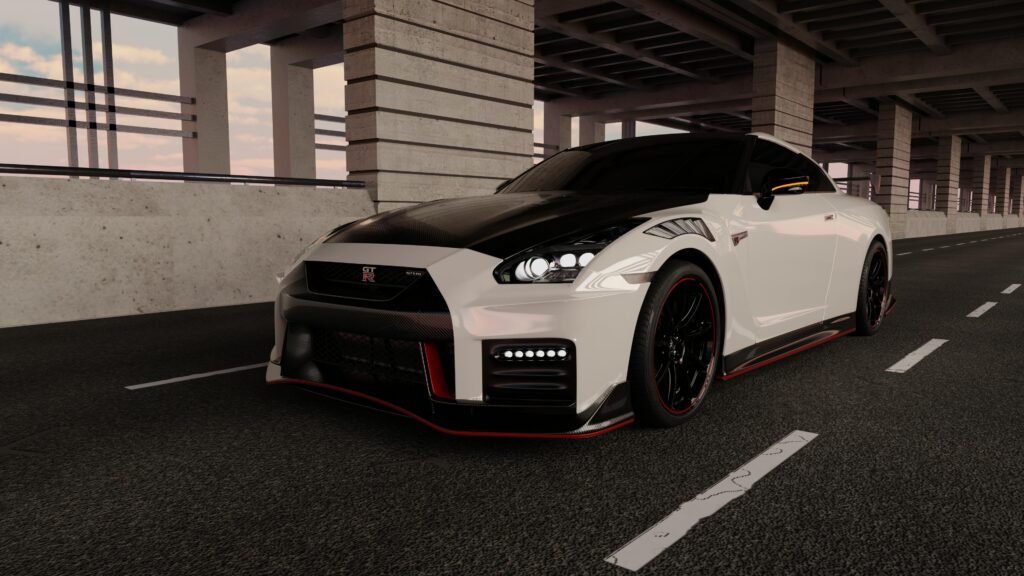
Rather than car building, Nissan was originally involved in parts manufacture and metal foundries. It wouldn’t start producing cars until 1933, around five years after it was founded. The company included the subsidiaries Hitachi and, most importantly for the automotive universe, Tobata Casting. When Japanese car manufacturer DAT (later to become Datsun) merged with Tobata Casting in 1933, it became a Nissan company, making Nissan, at least in part, a car maker.
In 1934, the car manufacturing arm of Tobata Casting was split into a new company – Nissan Motor Co.
3. A Datsun is nimble like a rabbit
Aside from Nissan itself, the Datsun brand is perhaps the most important name in the history of the company. Datsun’s roots stretch as far back as 1911, when Masujiro Hashimoto founded the Kaishinsha Motor Car Works in Tokyo.
Their first car was the 1914 DAT, which was named by taking the first letters of the company investors’ surnames – Den, Aoyama and Takeuchi. DAT (pronounced ‘datto’ in Japanese) also implies a nimble or quick movement, or, as the Nissan marketing department explains it, ‘to dash off like a startled rabbit’. A great name for one of the smallest and most nimble cars of the day.
In 1925, the company became the DAT Motorcar Co., named after their first car line.
4. The son of DAT needs no driving licence
In 1930, the Japanese government issued an ordinance that allowed civilians to drive cars with engines under 500cc without a licence. DAT took advantage of the new law by developing the Type 11, a small 495cc car they called the Datson, which quite literally means ‘son of DAT’.
When Nissan took control of the company, the name of the car was changed from Datson to Datsun because, in Japanese, the word ‘son’ can also mean ‘loss.’
5. Datsun was the household name, not Nissan
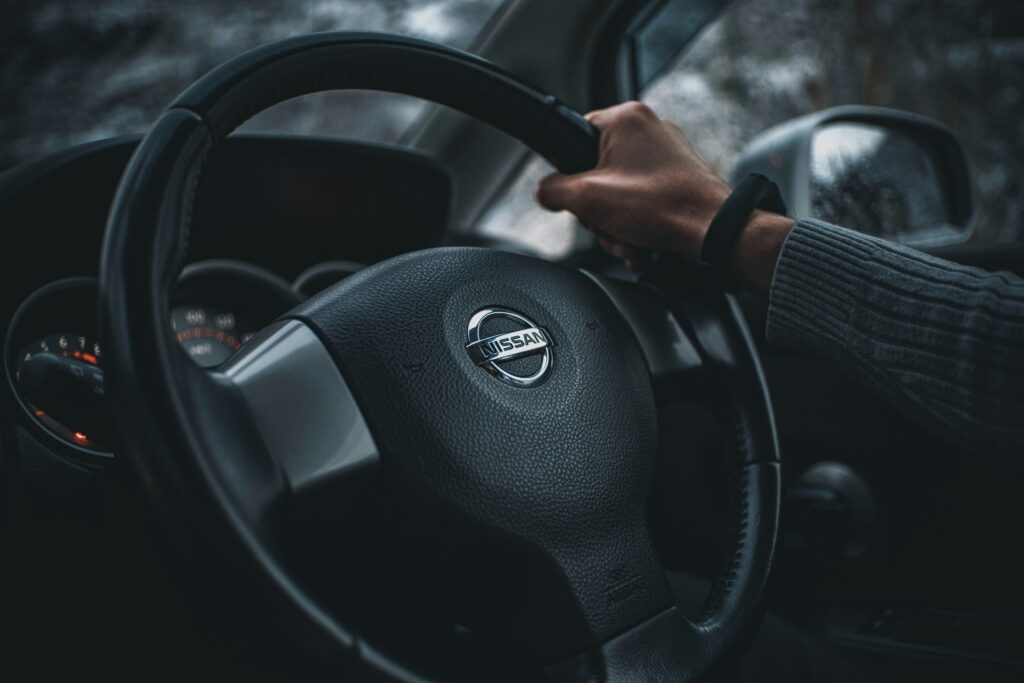
Although they manufactured trucks under the Nissan brand, with only a few exceptions like the Nissan Patrol and Nissan Cedric (and one or two ‘Datsun by Nissan’ badges), all cars were branded as Datsuns until the mid-1980s.
Over a few years, and in conjunction with a huge marketing campaign, the Datsun name was phased out and all cars were rebranded as Nissans. The idea was to make Nissan the household name for all their automotive products, much like Toyota and Honda, which badge (most of) their cars with their corporate name rather than that of a subsidiary.
After nearly 30 years of sitting on the shelf, Nissan resurrected the Datsun name in 2013 as a low-cost car brand for South Africa, India, Russia and Indonesia. Due to poor sales, it was phased out once again in 2022.
6. The Leaf wasn’t Nissan’s first EV… sort of
Introduced in 2010, and with over 650,000 sold, the Nissan Leaf was the world’s best-selling electric vehicle for a whole decade, right up to 2020 when it was eventually overtaken by the Tesla Model 3. But, technically speaking, the Leaf wasn’t the first EV associated with the history of Nissan.
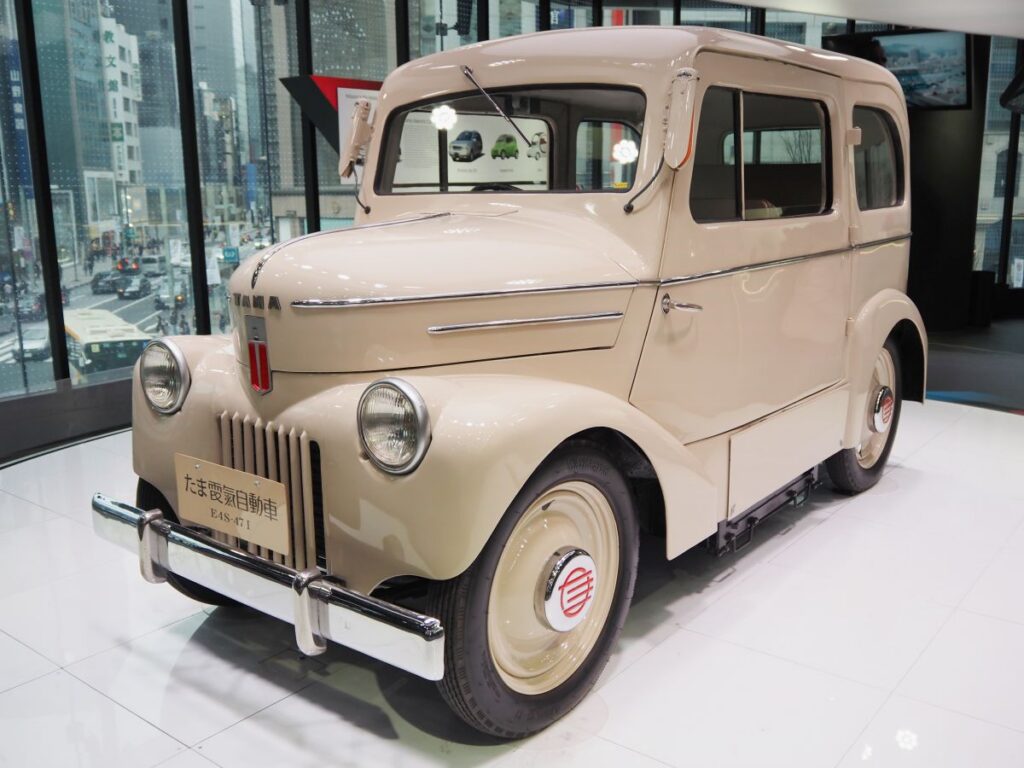
The Tama electric vehicle, Japan’s very first EV, was introduced in 1947 as a practical solution to combat severe fuel shortages after the Second World War. This lightweight EV had a top speed of 22mph, a 40-mile range, and was produced by the Tokyo Electric Automobile Company (TEAC).
In 1952, as fuel supplies improved, TEAC developed the petrol-powered Prince Sedan to honour Crown Prince Akihito. The whole company was then renamed the Prince Motor Company to honour him even more. In 1966, and notably after they produced the very first Skyline in 1957, Prince merged with Nissan, making their history an important part of Nissan’s legacy.
7. Nissan built the fastest Japanese car on the ‘Ring
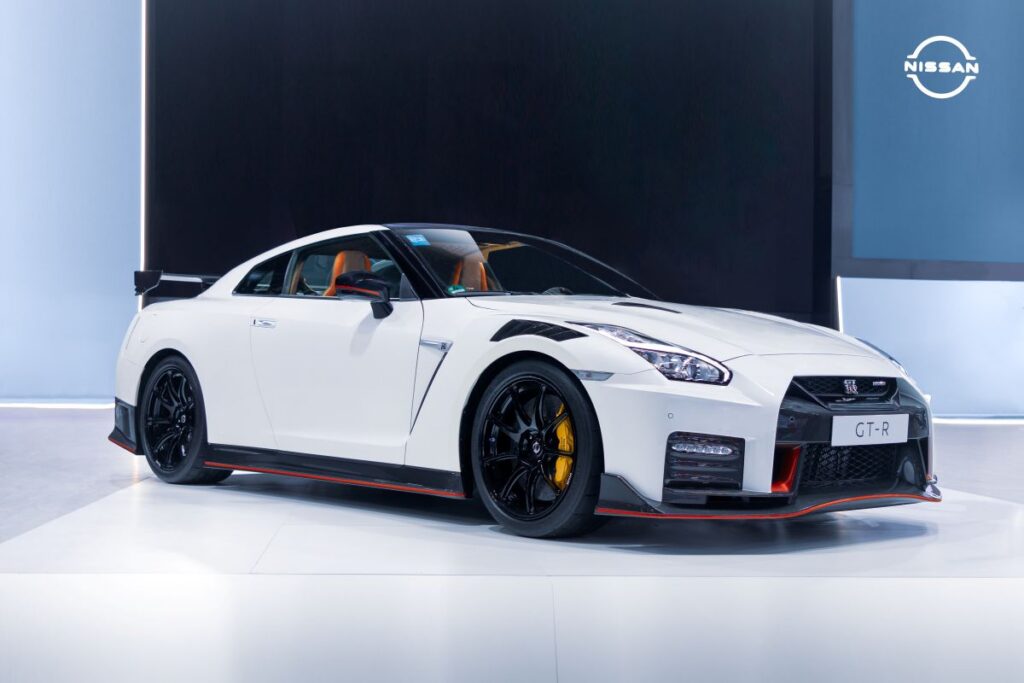
The hand-assembled, limited-edition Nissan GT-R Nismo is still the fastest JDM production car ever to attack the Nürburgring. And this was before production even began, clocking in a lap of 7:08.59 during testing way back in 2013.
While this wouldn’t even be in the top 10 fastest cars today, it’s still extremely impressive for a four-seater and rivalled many full-blown supercars then, and to this day. Perhaps most importantly, the GT-R Nismo also outpaced the Lexus LFA Nürburgring Package – a now legendary million-dollar Japanese supercar which came in at a time of 7:14.64. This makes the story a matter of pride for Nissan, not to mention a few friendly bragging rights, among two of the biggest Japanese car brands.
The only Japanese car to ever perform a sub-seven-minute lap was the Subaru WRX STI Type RA NBR Special built by British tuning company Prodrive. This AWD monster managed a 6:57.5 in 2017. However, this was a specially designed ‘Time Attack’ racing prototype that was never intended for sale to the public, so it doesn’t count with regard to production records.
8. Turbos and Nissan Skylines go hand in hand
The Nissan Skyline is arguably their most famous performance car, even for those who know nothing about its dominance in Japanese touring car racing in the ‘80s and ‘90s. Or in Gran Turismo on the PlayStation. Or even in the Fast and Furious franchise. It’s simply one of those timeless legends that, young or old, every car enthusiast knows and loves… unless, of course, they drive a Toyota Supra.
In any case, the Skyline name has long been a much-revered icon of Japanese turbo-boost madness… but it took nearly 25 years to get a turbocharged Skyline into production.
The 1980 Nissan Skyline GT-EX was not only the first turbocharged Skyline, but the first mass-produced turbo car made in Japan. This was the flagship of the fifth-generation (C210) Skyline series, and it utilised a six-cylinder L20ET engine, which produced around 145hp.
The GT-EX marked a turning point in Nissan’s history, where the more performance-focused, top-of-the-range models shifted towards the use of forced induction. This was later made a Nissan (and Japanese manufacturer) staple, perhaps most famously the Skyline R32 series and beyond.
9. The legendary Box Skyline was the first GT-R
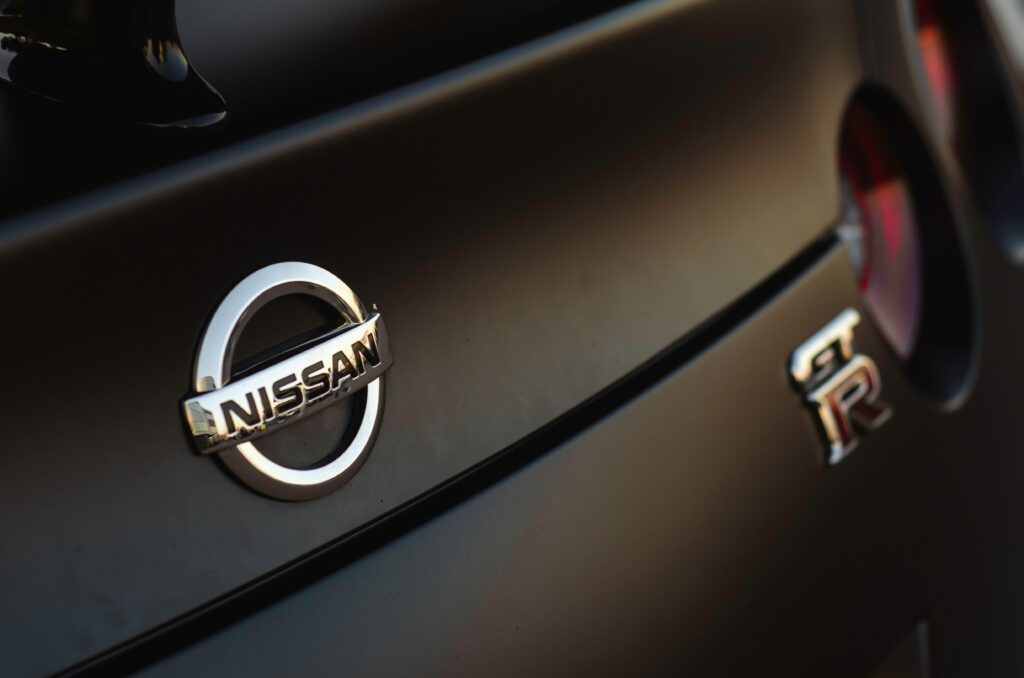
The first car to sport the legendary Nissan Gran Turismo-Racing (GT-R) badge was the 1969 KPGC10 Skyline, famously known throughout Japan as the Hakosuka. You may remember a black 1971 model appearing in Fast Five, driven in Brazil by Paul Walker.
The name ‘Hakosuka’ comes from the Japanese slang for ‘box’ (Hako) and ‘Suka’, which is short for Skyline. So, the word quite literally translates as ‘box Skyline’, referencing the shape of the car.
Speaking of cars immortalised by the Fast and Furious franchise, the last Skyline to use the GT-R badge was the 2002 R34 Skyline GT-R, and the last Nissan was the R35 GT-R, which officially, and rather sadly, ended production in August 2025.
10. They have an alliance with Renault
Nissan is currently the world’s ninth-biggest automaker, fifth if you count the alliance they’ve held with Renault since the 1990s.
Renault holds around 43% of Nissan stock, while Nissan holds 15% of Renault, which explains why the Nissan Micra shares a platform with the Renault Clio.
Between 1984 and 1990, Nissan also produced the Santana for Volkswagen at their Zama plant in Japan.