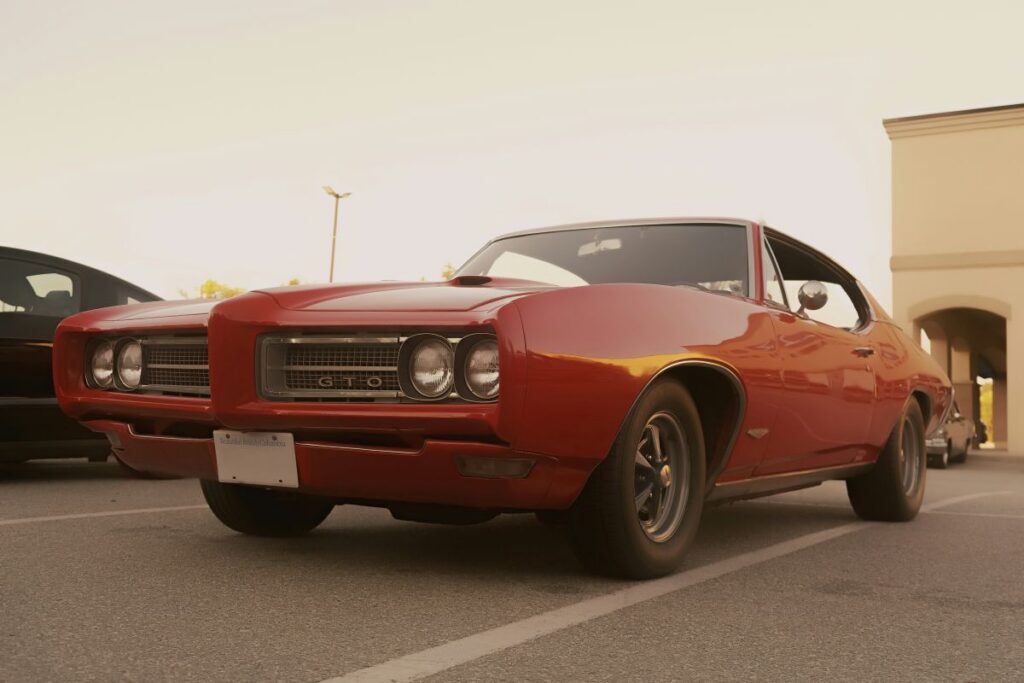
For over 160 years, the Holden name has been the heartbeat of the Australian automotive landscape. While many manufacturers around the world can claim to build cars, Holden did something much more significant: it helped build a national identity.
Originally established in 1856 as a humble saddlery business in Adelaide, the company evolved from horse-drawn carriages to become the bedrock of the Australian motor industry. From the moment the first ‘all-Australian’ car rolled off the production line in 1948, Holden became more than just a brand.
Whether it’s the Holden vs. Ford blood feud on the racetrack, the invention of the high-performance utility vehicle, or the world-beating V8s developed by HSV, Holden’s history is defined by a unique mixture of rugged utility and raw power. Even though the factory gates closed in 2017 and the brand retired in 2021, the legacy of the Red Lion remains as strong as ever. Here are ten facts you may not know about Australia’s most iconic carmaker.
1. Holden was founded by an Englishman
Holden was established as J.A. Holden & Co. before cars even existed. Founded in 1856 by English national James Alexander Holden (who emigrated to Australia in 1852), the company began making horse saddles and leather goods in Adelaide.
His son, Henry James Holden, founded Holden’s Motors Body Builders Ltd (HMBB) in 1917 to switch focus to building car bodies for other brands. This included General Motors, for which it became the sole body supplier in Australia in 1924. In 1931, GM purchased HMBB and merged it with GM Australia to form General Motors-Holden’s Ltd, making Holden an official subsidiary of GM.
2. The Holden brand retired at 81 years old
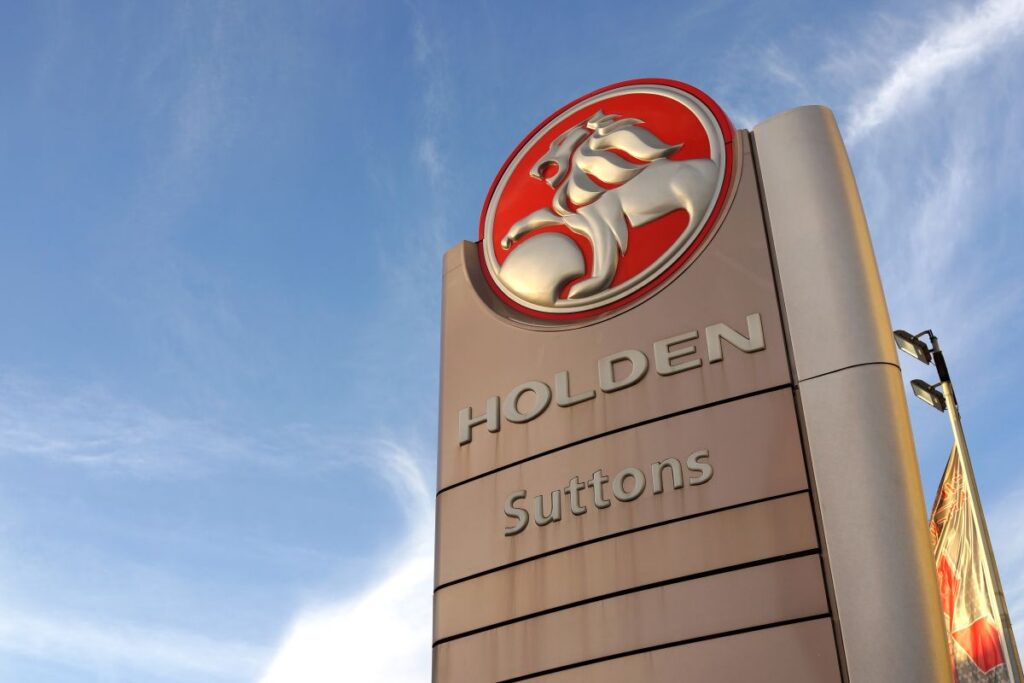
After producing nearly 7.7 million vehicles, the Holden brand (along with Holden Special Vehicles, i.e. HSV) was retired in 2021 and replaced with General Motors Specialist Vehicles (GMSV). The new company concentrates on importing GM-branded cars and SUVs from the US for Australian enthusiasts. These include the GMC Yukon, Cadillac Lyriq, Chevy Silverado and the Chevy Corvette.
3. HSV = serious racing credentials
HSV was the official performance arm of Holden. Established in 1987, Holden teamed up with British company Tom Walkinshaw Racing (TWR; best known in the UK for running the Arrows F1 team in the 1990s) to modify standard Holden road cars for extreme performance and motorsport homologation.
Their first car was the 1988 Holden VL Commodore SS Group A SV, which was developed purely to allow Holden to enter Group A touring car racing. Due to high demand, 750 road cars were produced (250 more than the 500 needed), and one of the race cars ended up winning the all-important Bathurst 1000 in 1990.
4. There aren’t many Holdens in the UK… unless you count the Vauxhalls
There’s no doubt that Holdens are a rare sight in the UK. As of January 2026, there are currently only 286 registered here. This includes a significant number of Holden Commodore and V8 Holden GTS models, a couple of Maloo utes, and one Holden Grange.
There are, however, over 550 Vauxhall VXR8s registered in the UK, which are essentially rebadged versions of the LS2, LS3 and LSA V8 Holden Commodores. There were also over 750 Vauxhall Monaros – the UK version of the Holden Monaro Coupe (LS1 and LS2 V8) – registered between 2004 and 2007. All of these were produced specifically for export at their plant in Elizabeth, South Australia.
5. Holden were the first to mass produce Down Under
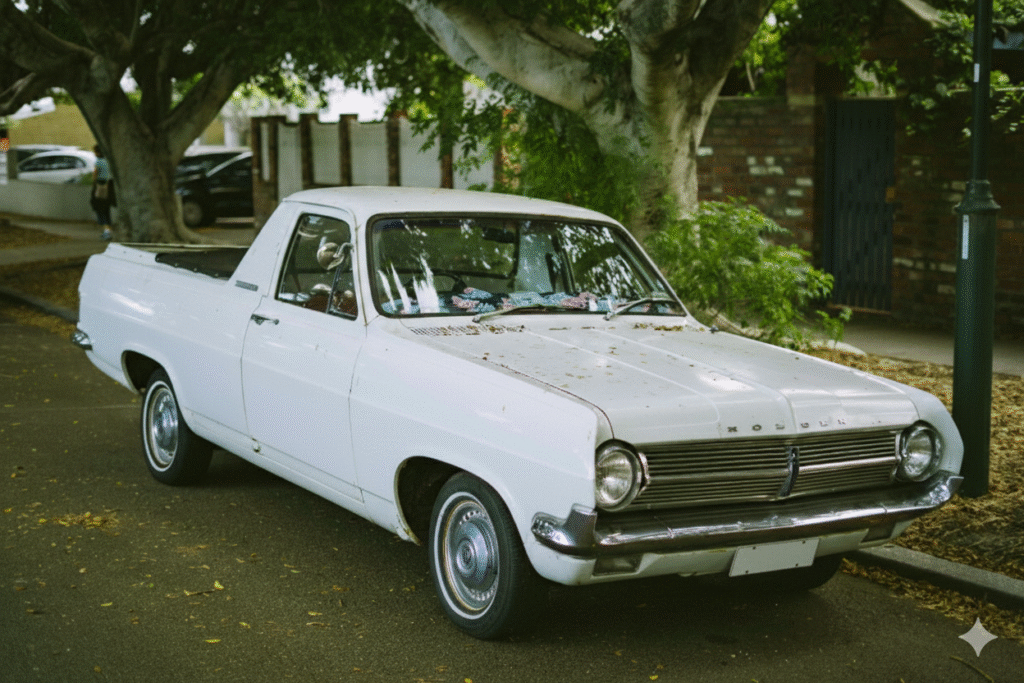
Holden made the very first mass-produced Australian car in 1948, the 48-215 (marketed simply as the Holden). It was based on an unused Chevrolet model and came with a 2.2-litre inline six-cylinder engine that produced 60hp for a heady 0-60 time of over 27 seconds.
After 69 years, Holden stopped making their own cars in 2017, switching to offering rebadged imports from other GM brands such as Daewoo, Chevrolet and Opel.
6. Holden is an Australian national icon
Since 1918, and through various incarnations, the Holden trademark has been a lion rolling a stone. This image, now revered as a national icon for progress through innovation, was inspired by the old fable: ‘man’s advancement began when a lion rolled a stone and humans learned to use tools and wheels.’
Essentially, the stone symbolises the invention of the wheel, and the lion symbolises Australian strength and independence. The first use of the logo on cars was in 1928, but not on Holden cars, rather on Chevrolets bodied by Holden.
7. You can carry the pigs to market in a Holden, too
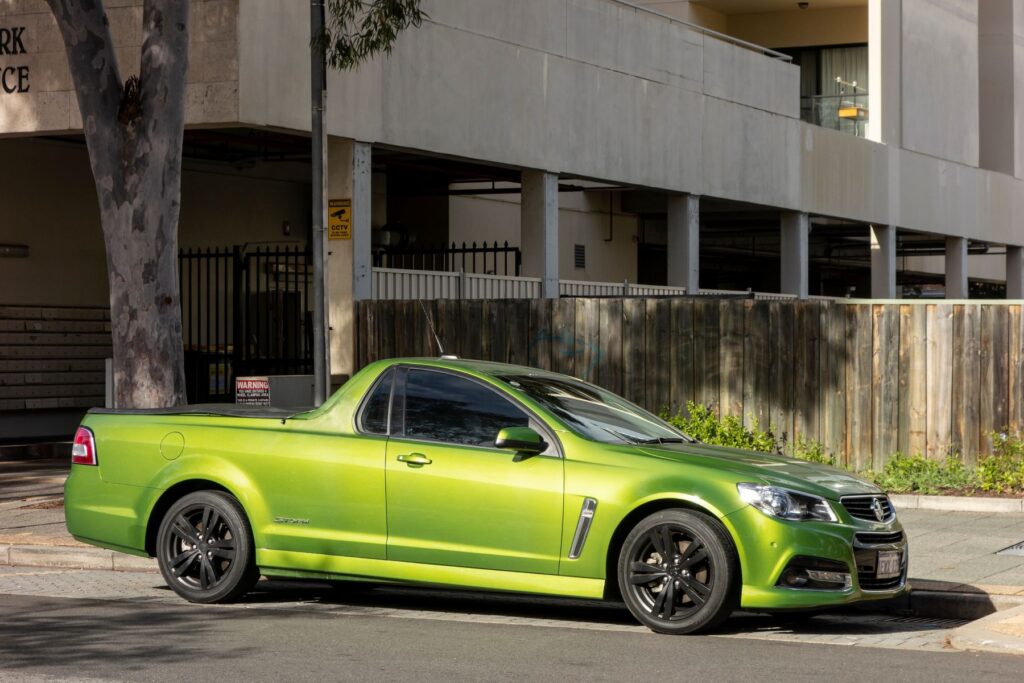
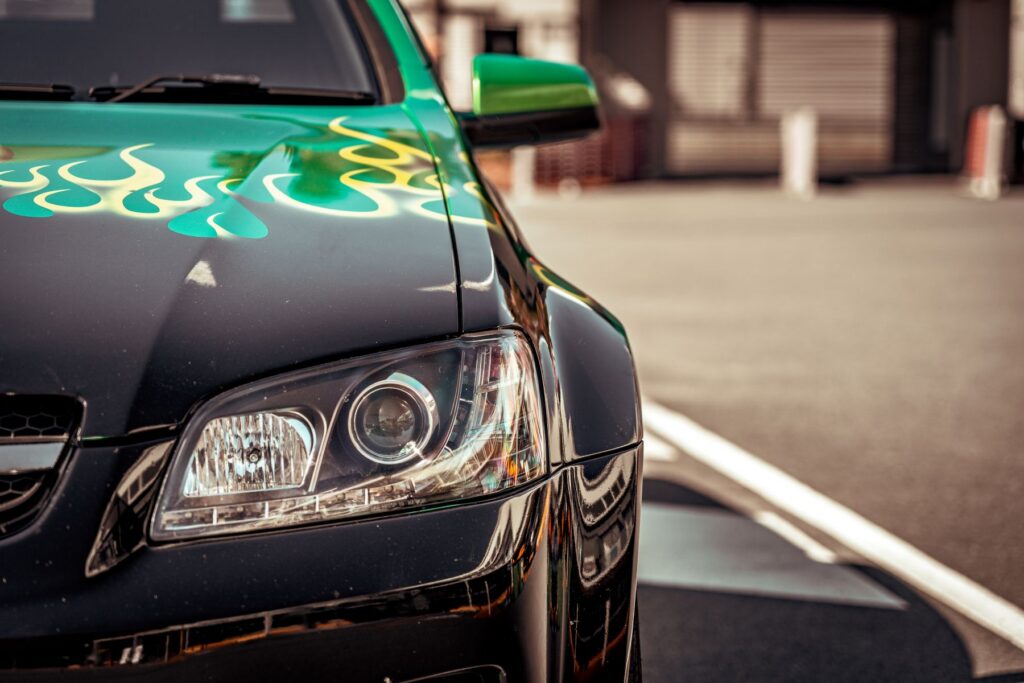
Australians are well known for their love of ‘utes,’. The idea of utility vehicles built on car platforms has become a key part of the automotive culture Down Under and a matter of national pride.
Although production of the first ute is widely attributed to Ford Australia in 1938 (created in response to a letter from a farmer’s wife to make a vehicle to “go to church in on Sunday and which can carry our pigs to market on Monday”), the Holden name has become synonymous with utes since 1951.
In more modern times, Holden has perhaps become most famous for its ultra-high-performance ute — the HSV Maloo. Especially as it held on to the Guinness World Record for the fastest production utility vehicle (168.66mph) for many years.
8. Holden produced the Australian Mazda, just not the engine
The famous 1970s rotary-powered Mazda Roadpacer was based on the Holden Premier. The first luxury Japanese car to meet the 1975 emissions standards, Holden shells were manufactured in Australia and then shipped to Japan, where Mazda fitted the 1.3-litre 13B Wankel engine (a power plant later made even more famous in the Mazda RX-7).
The Roadpacer was around twice the price of the smaller Mazda Cosmo and remains the only GM car to be fitted with a rotary engine from the factory. With that said, rotary power is still a popular aftermarket modification on the Holden scene in Australia, and rightly so.
9. Holden vs. Ford: you can only choose one!
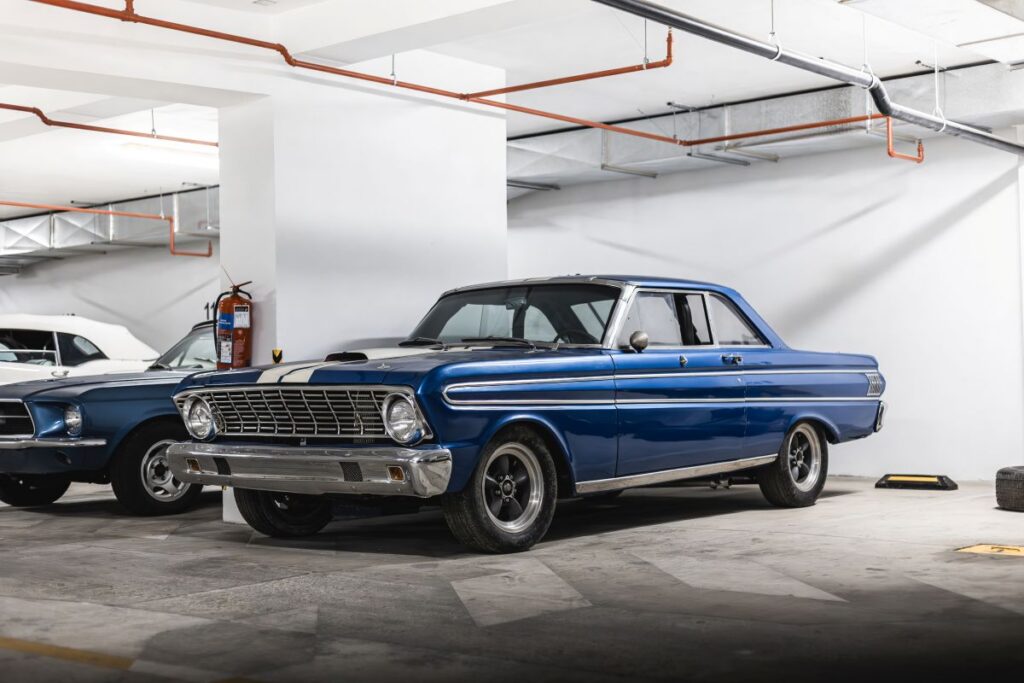
Since the late 1960s, Holden has been known for its dominance in Australian touring car racing. This led directly to the almost mythical Holden vs. Ford rivalry and, even more specifically, a 40-year clash between the Ford Falcon and Holden Commodore.
This battle of the brands has become an iconic part of the Australian cultural identity and arguably the most infamous brand rivalry in automotive history, anywhere in the world. Aside from causing fights and riots, thousands of Australian families have strictly followed one side or the other for generations, with many refusing to drive the other brand, even when the cars themselves are faster or better equipped.
As for the races? The iconic Bathurst 1000 was the ultimate battleground, and (in celebration of their racing prowess) has seen each side produce a whole host of high-performance road cars, such as the HSV Commodore and FPV Falcon.
Over 56 years of racing, Holden had more Bathurst wins than Ford, but Ford had the very first. The official rivalry may have ended in 2016 when Ford Australia manufacturing dissolved, but the many passionate fans still look at the ‘who’s best?’ debate as a matter of life or death. That may seem like an exaggeration. It’s not.
10. The Holden Maloo is truly the automotive god of thunder
Named for the Aboriginal word for ‘storm’ or ‘thunder’, the HSV Maloo was based on the Holden Ute, which itself is based on the Holden Commodore. Over six generations between 1990 and 2017, HSV Maloos have been fitted with a whole host of high-performance V8 engines, giving them an almost ridiculous power to weight ratio.
Perhaps the maddest was the 635hp supercharged 6.2-litre LS9 V8 (from the Corvette ZR1) that Holden crowbarred into the 2017 Maloo GTSR W1. One of the fastest production utes ever conceived, these ultra-limited-edition models have become legendary among car enthusiasts and now fetch over a million AUD at auction.
Between 2012 and 2017 the Maloo was also available in the UK sporting a Vauxhall badge. Unfortunately, and despite the performance ute being infinitely popular in Australia, fewer than five were ever sold here.