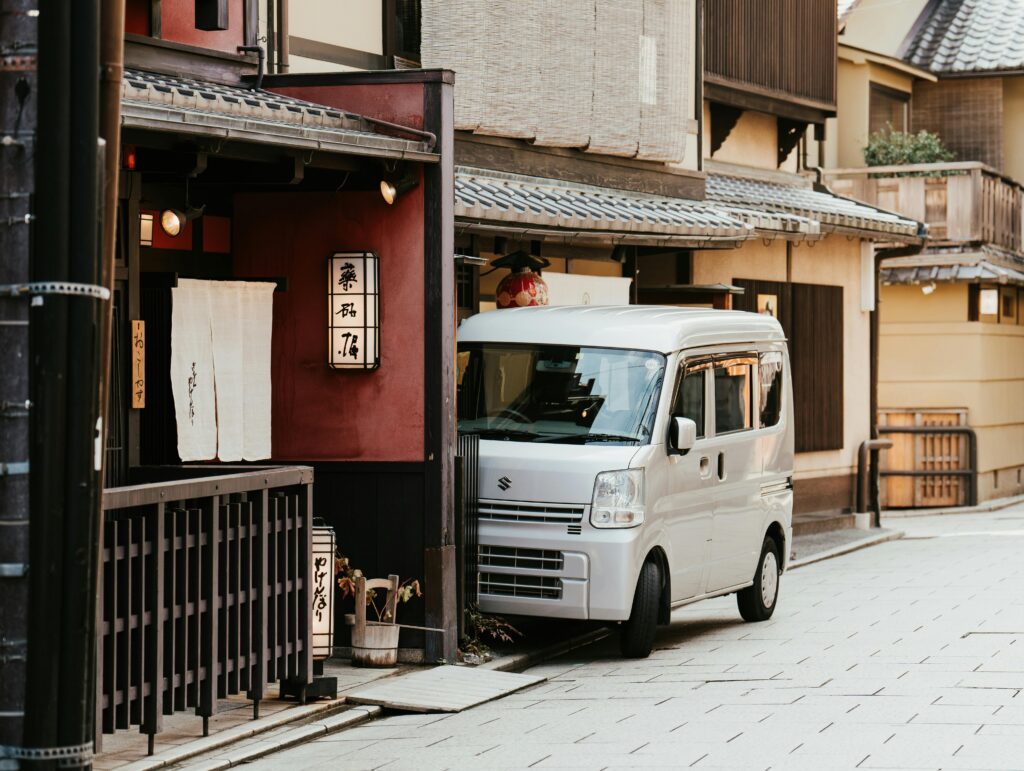
The term kei car comes from the Japanese word kei-jidosha, which simply means ‘light automobile’.
The first mass-produced kei car was the Subaru 360. Nicknamed the ‘Ladybug’, nearly 400,000 were sold between 1958 and 1971.
Nowadays, the only Japanese manufacturers to mass-produce their own kei cars are Honda, Daihatsu and Suzuki. Mazda, Subaru and Toyota all sell rebadged models from other manufacturers. Nissan and Mitsubishi produce their eK-series cars as a joint effort.
Kei cars account for over a third of all new car sales in Japan. On the second-hand market, they outsell all other cars.
Unlike in the cities, kei car buyers in many of Japan’s rural areas don’t have to prove they have adequate parking before they buy. They also offer lower taxes and cheaper car insurance.
Since 1998, all kei cars have been limited to a maximum of 660cc and 3.4m in length. Originally, in 1949, the regulations allowed for just 150cc and 2.8m.
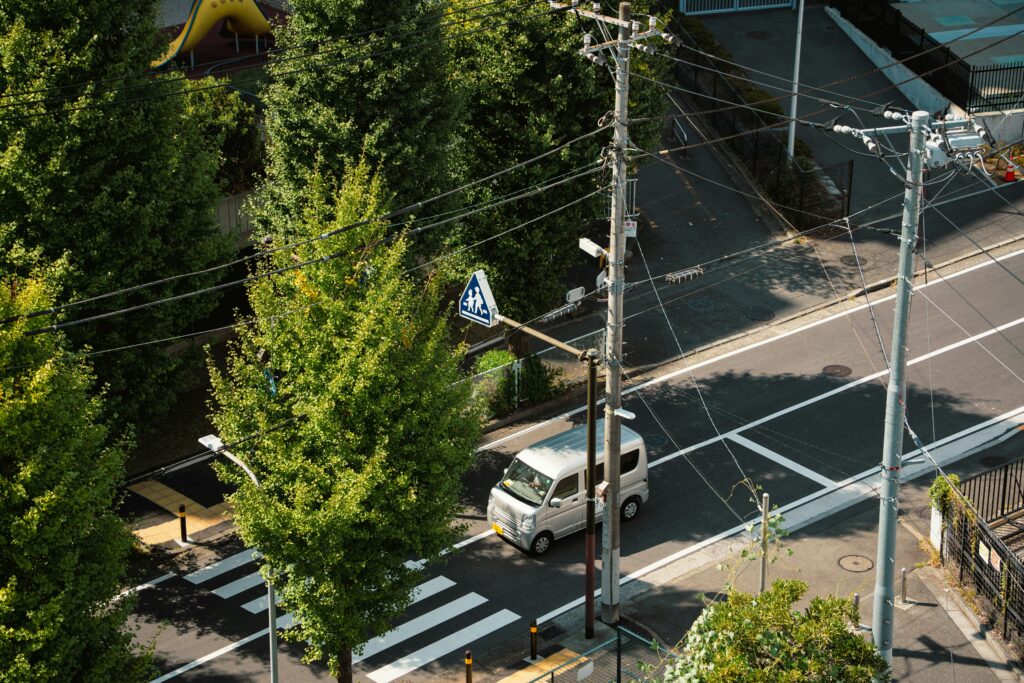
Kei cars are popular grey imports in the UK because they tend to be better spec’d than their official European equivalents. Take the Daihatsu Copen – the faster 659cc turbo model was only officially available in Japan.
Kei cars in Japan are restricted to 64hp by law.
Between 2003 and 2008, the Suzuki Wagon R wasn’t just the best-selling kei car in Japan – it was the best-selling car of them all. Historically, it’s the most successful kei car of all time.
As of 2025, the current best-selling kei car is the Honda N-Box.
Kei cars have never been quite as popular overseas as they are in Japan. Only a handful have been successful in Europe, the Daihatsu Copen and Suzuki Alto being prime examples. They are, however, extremely popular with enthusiasts.
Kei cars use yellow number plates with black letters, rather than the usual Japanese white plates with green letters.
The Mitsubishi 1989-1993 Minica Dangan ZZ is credited as being the fastest production kei car ever built. This 63hp AWD pocket rocket was capable of 100mph.
Most kei cars sold in Japan are home-grown models, but some European cars have been modified to meet kei car regulations over the years. The Smart K was sold in Japan in the 1990s, but it didn’t prove very popular.
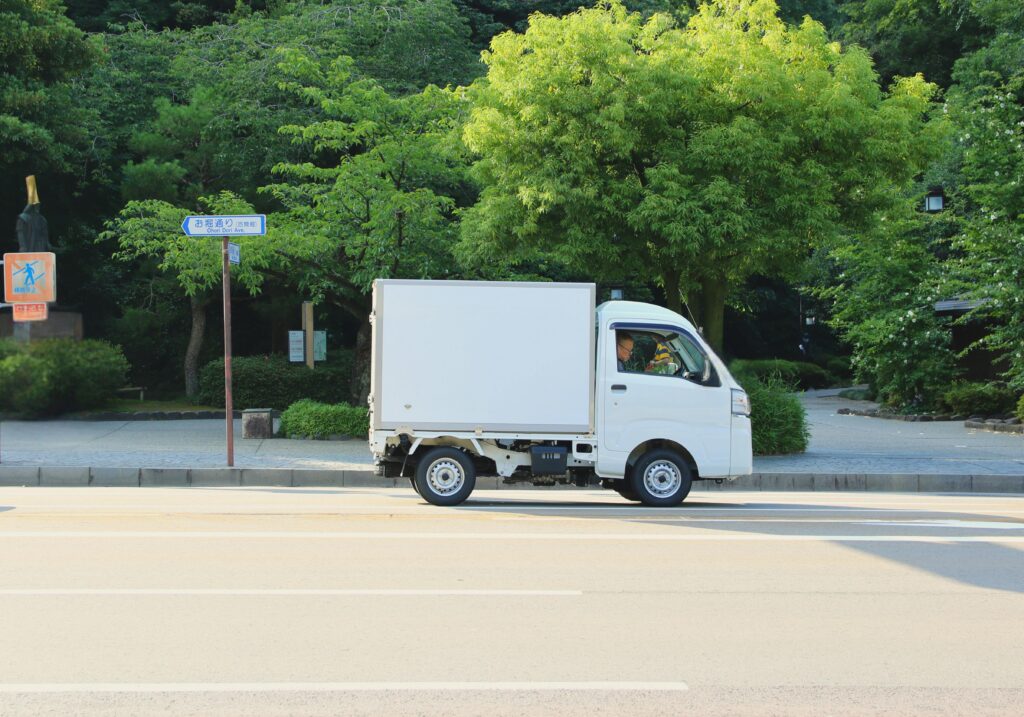
Kei cars can also be trucks; these are known as ‘keitora’ in Japan. Kei trucks have proved popular in the US and the UK as grey imports and even for drifting. In Japan, they’re most commonly used in farming and construction.
They’re not just city cars; kei cars come in all shapes and sizes. The Autozam AZ-1 has gullwing doors, the Honda S660 has a mid-engine layout, and the Suzuki Cappuccino is a two-seater roadster.