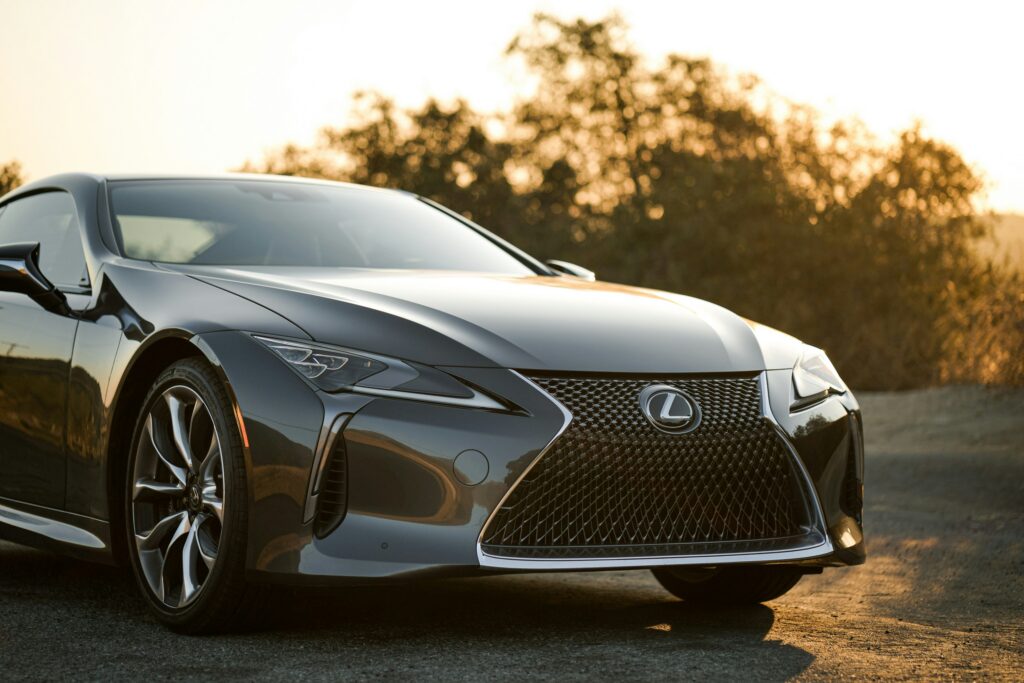
In the early 1980s, Toyota’s chairman, Eiji Toyoda, issued a simple but monumental challenge to his top engineers and designers: “Can we create a luxury car to beat the best in the world?” The result was a secret multi-billion-dollar mission known as ‘Flagship One,’ a project that would eventually give birth to the Lexus brand.
While Lexus is now a household name synonymous with bulletproof reliability and serene luxury, it was originally a massive gamble. Launched in 1989 specifically to take on the German heavyweights in the American market, Lexus didn’t just compete; it rewrote the rulebook on customer service and build quality.
From the obsessive ‘Takumi’ master craftsmen who build them to the legendary V10-powered LFA supercar, Lexus has grown from a high-stakes experiment into a global powerhouse of technology and refinement. Whether you’re a fan of their ultra-quiet hybrid cruisers or their futuristic movie cameos, here are ten facts you may not know about the brand.
1. Lexus could have easily been Alexis
In the 1980s, the Lexus name was originally picked from a list of 219 candidates. Originally, it was going to be ‘Alexis,’ but was quickly changed due to the association with Alexis Carrington, a character played by Joan Collins on the US TV show Dynasty.
If you happen to be old enough to remember, she was one of the all-time great TV villains. She’s not her when she’s hungry…
2. Lexus is seen as the ultimate luxury export
Toyota created the Lexus brand in the 1980s, around the same time as Honda’s Acura and Nissan’s Infiniti sub-brands were launched. Due to strict export restraints on unit volume, particularly in the US, it was simply more profitable for Japanese manufacturers to develop and export more expensive, rebadged models into the most premium markets.
In many ways, this strategy was all about psychology and perception – a Lexus was seen as the ultimate Japanese export when it comes to restraint, taste and luxury. And that’s not just in the US, but here in Europe, too.
3. The most expensive Lexus ever was a supercar
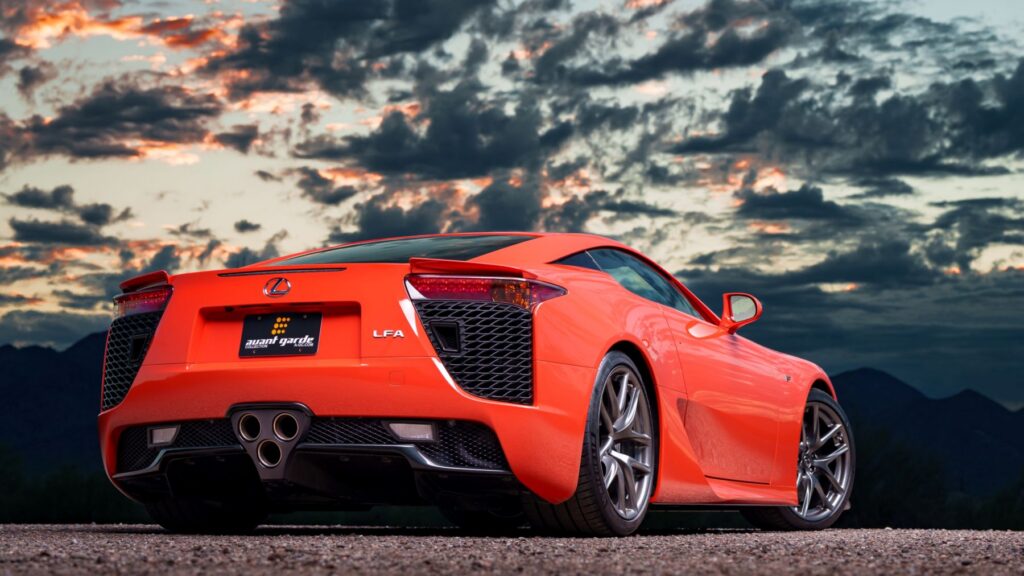
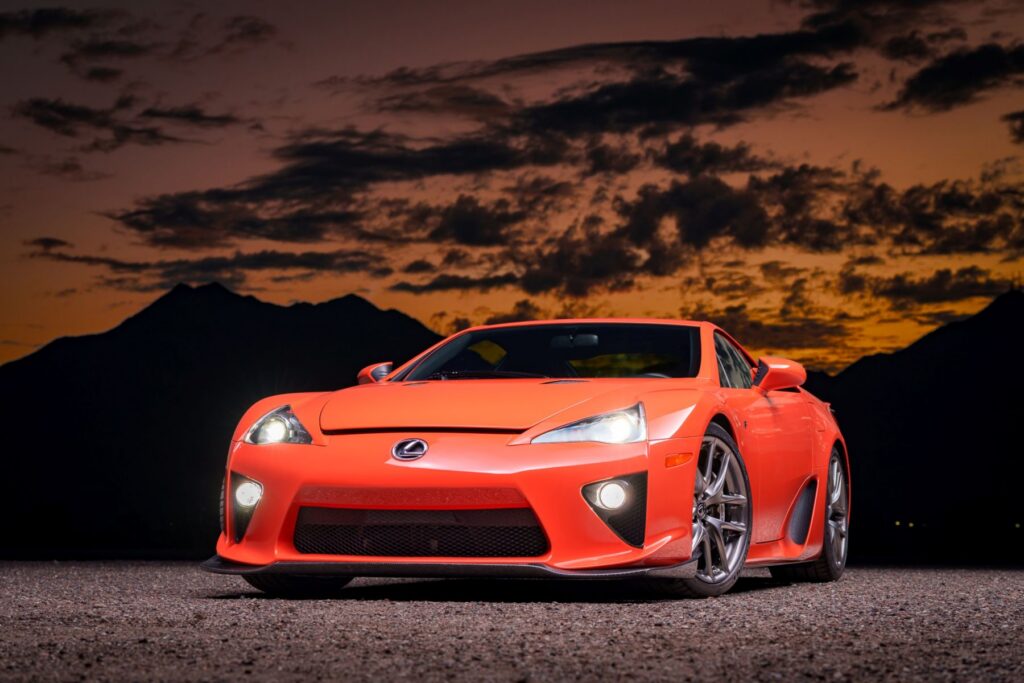
Lexus is a luxury car maker, and the export arm of Toyota that focuses specifically on creating a luxury motoring experience, but the most expensive car they have ever produced is a hardcore supercar rather than a luxo-barge. This was the 4.8-litre V10-powered, 553hp LFA. Only 500 were built between 2010 and 2012, each priced at around £330,000. They’re now worth well over a million pounds apiece.
If you’re in the market, look out for one of the 50 Nürburgring Editions (ask for the Nürburgring Package). With an extra 9hp and a few more goodies, such as carbon-fibre wheels and matte-black paintwork, they’re (probably) worth the extra cash.
4. Lexus designed a car just for the movies
In 2002, long-time Lexus fan Stephen Spielberg asked the Japanese manufacturer to design a car to star alongside Tom Cruise in his on-screen adaptation of the 1956 Philip K. Dick story The Minority Report. They came up with the ultra-futuristic Lexus 2054 concept, named for the year in which the movie was set. The Lexus 2054 also appeared in the 2005 Michael Bay film The Island.
5. Lexus featured in the all-time greatest TV show
The first Lexus on sale was the LS400, or Luxury Sedan, which was also named the Toyota Celsior in Japan. The base car that was to become the LS and Celsior was developed years earlier when the Toyota chairman issued a challenge to its top engineers to build the best luxury car in the world, a secret internal project called Flagship One.
The 4-litre V8 Lexus LS400 also made an appearance in the first series of The Sopranos, driven by the youngest gangster, Christopher Moltisanti, as an allusion to his expensive tastes and love of luxury vehicles. A testament to the show’s authenticity and attention to detail. The Sopranos has often been cited as the greatest TV show of all time.
6. Lexus: ‘luxury exports to the US’
As has been widely reported in the media and on many TV documentaries, some believe that the word Lexus was developed from an acronym for “luxury exports to the US.” This isn’t the case; the name was chosen for its sound and luxury feel. The word Lexus actually has no particular meaning.
7. Lexus is all about the exports

Lexus is reputed to sell around four times more vehicles in the USA than it does anywhere else on the planet; more than in Europe, China and Japan combined. It’s one of very few Japanese brands to focus on exporting cars rather than offering its best models to the home market.
8. Smooth shifting comes as standard with a Lexus LS
The world’s first conventional eight-speed automatic gearbox was developed by Lexus in 2006 and showcased in the LS460. The idea was to increase and optimise the efficiency and performance of the V8 engine while creating the smoothest possible shift and most luxurious feel.
The world’s first six-speed automatic with electric drive (denoted an ‘8-speed’ for marketing purposes) was also developed by Lexus and made its debut in the 2010 LS600h L.
9. It takes decades to become a Lexus master craftsman
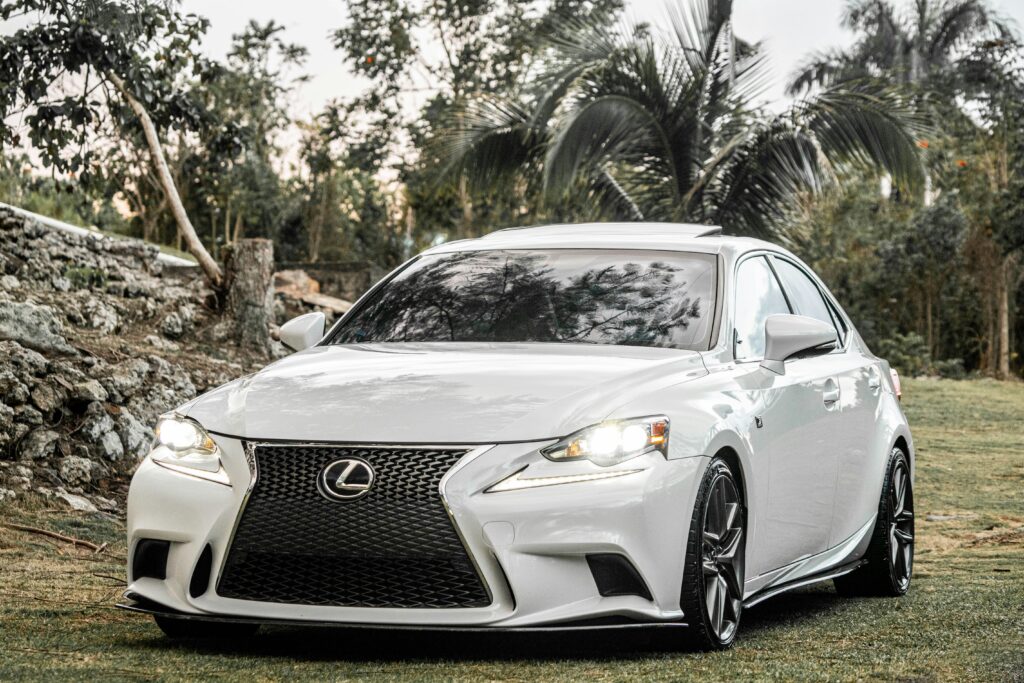
As a mark of respect, some Lexus factory employees are officially called ‘Takumi’. The word itself means ‘artisan’ and is only awarded to master craftsmen with exceptional skill and decades of experience.
Takumi are typically experts in a single area of the production process, often having over 30 years of experience. Some complete tasks such as hand-finishing paintwork and interiors to an exceptional standard. Others are able to assemble the most complicated engines by feel alone.
There are usually fewer than 100 Lexus Takumi worldwide at any time.
10. A Lexus is always packed with tech, even when it’s hidden
Just like many a Rolls-Royce (and for extra luxury credentials), the Lexus LS comes with a rather plush, old-school analogue clock. But, being from Lexus, there’s no surprise that it’s also packed with plenty of hidden technology. This includes infotainment system syncing and even GPS auto-adjustment for extreme accuracy and automatic changes when crossing time zones.
These clocks are priced at around £500 from a main dealer, so make sure yours works!