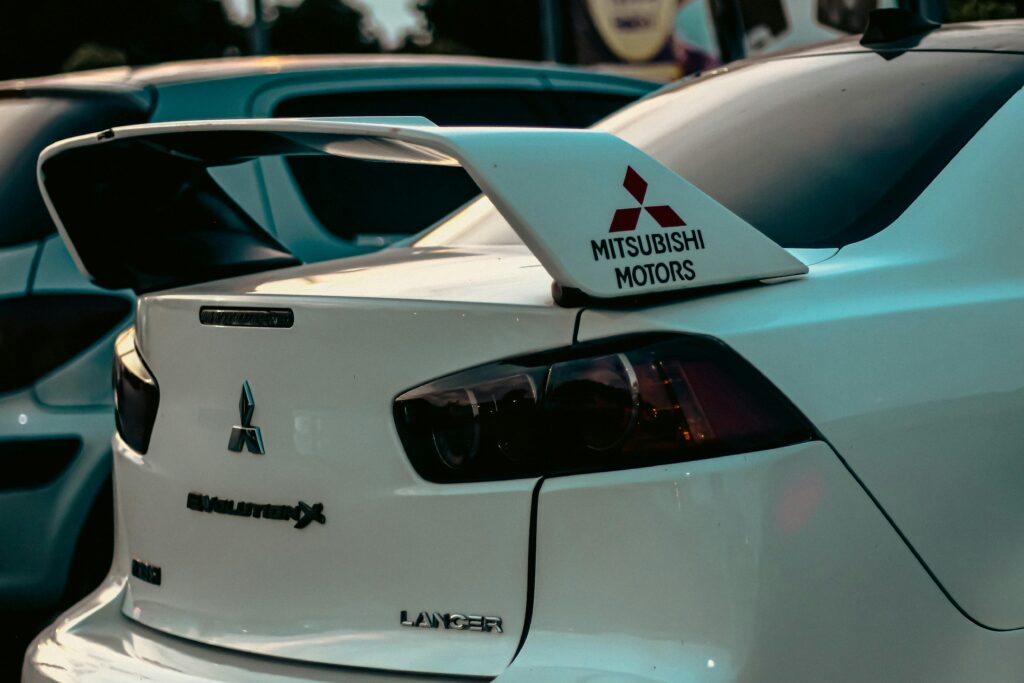
For many enthusiasts, the name Mitsubishi immediately conjures up images of fire-spitting Lancer Evolutions and dust-kicking Pajeros dominating the world’s most brutal rally stages. But there is far more to the ‘three diamonds’ than just 4WD heroics and Fast & Furious cameos.
Founded in 1870 as a shipping firm long before the first internal combustion engines reached Japan, Mitsubishi actually produced the country’s very first series-production passenger car back in 1917. Today, the automotive wing is just one part of a massive industrial empire that includes everything from Japan’s largest bank to chemical plants and aerospace technology. In fact, when you look at the sheer scale of the wider Mitsubishi Group, the numbers shift from billions into the trillions.
From its humble beginnings in maritime trade to its record-breaking 12 wins at the Dakar Rally, Mitsubishi has spent over a century balancing rugged utility with cutting-edge innovation. Whether you’re a fan of their JDM performance icons or their pioneering electric vehicles, here are ten facts you may not know about the history of Mitsubishi.
1. The three diamonds logo is all down to pronunciation
The iconic Mitsubishi logo is derived from the symbols on the founder’s family crest and what gives the company its name.
In Japanese, ‘Mitsu’ means ‘three’, and ‘hishi’ – which means ‘water chestnut’ – is a term often used to denote a diamond or rhombus.
When combined with mitsu, the word hishi is pronounced ‘bishi’ and because of this unique linguistic phenomenon – known in Japan as rendaku – Mitsubishi literally translates as ‘three diamonds.’
2. Mitsubishi produced cars before it became a car company
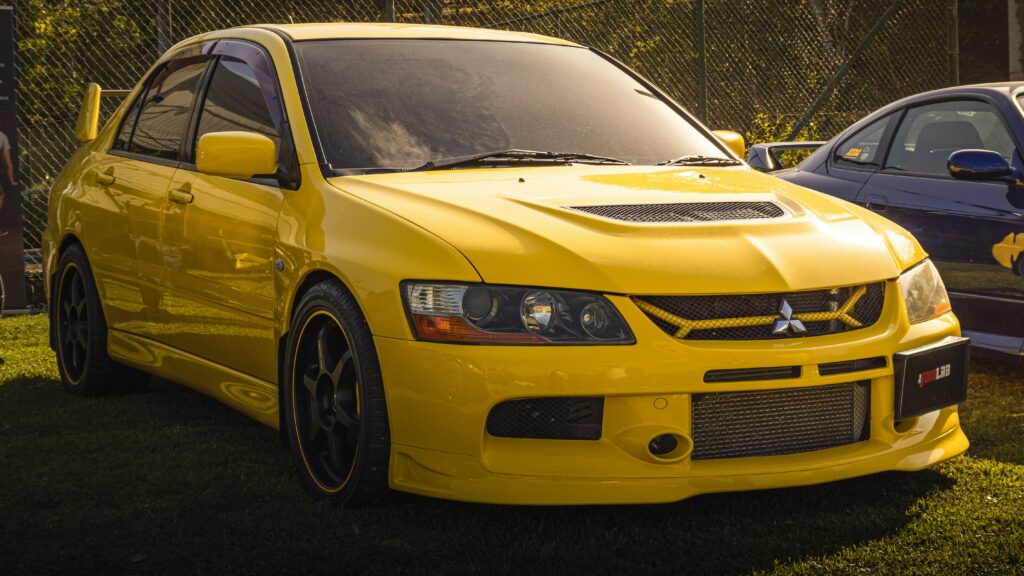
Mitsubishi was established by Yataro Iwasaki in 1870 as a shipping company named the Tsukumo Trading Company (TTC). Initially, TTC was linked to the Tosa Clan who controlled most of the maritime trade and shipping operations in Osaka under the feudal system. As Japan modernised in the late 19th century, the company changed its name to Mitsubishi Shokai in 1873. Iwasaki wanted to signify a shift from a clan-linked trading outfit to more of a broader commercial business, one that included mining, shipbuilding, military vehicles and, much later, passenger cars.
Their first car predates the Mitsubishi Motor Company itself. The 1917 Model A – which was based on the Fiat Tipo 3 – was produced by Mitsubishi Shipbuilding and was Japan’s first series-production car. The Model A wasn’t intended for the mass market; they only produced 22 examples up to 1921, and they were so expensive that they were only designed for high-ranking government officials. Mitsubishi’s first mass-market civilian passenger car, the Mitsubishi 500, didn’t come along until 1960.
3. Mitsubishi is much more than cars
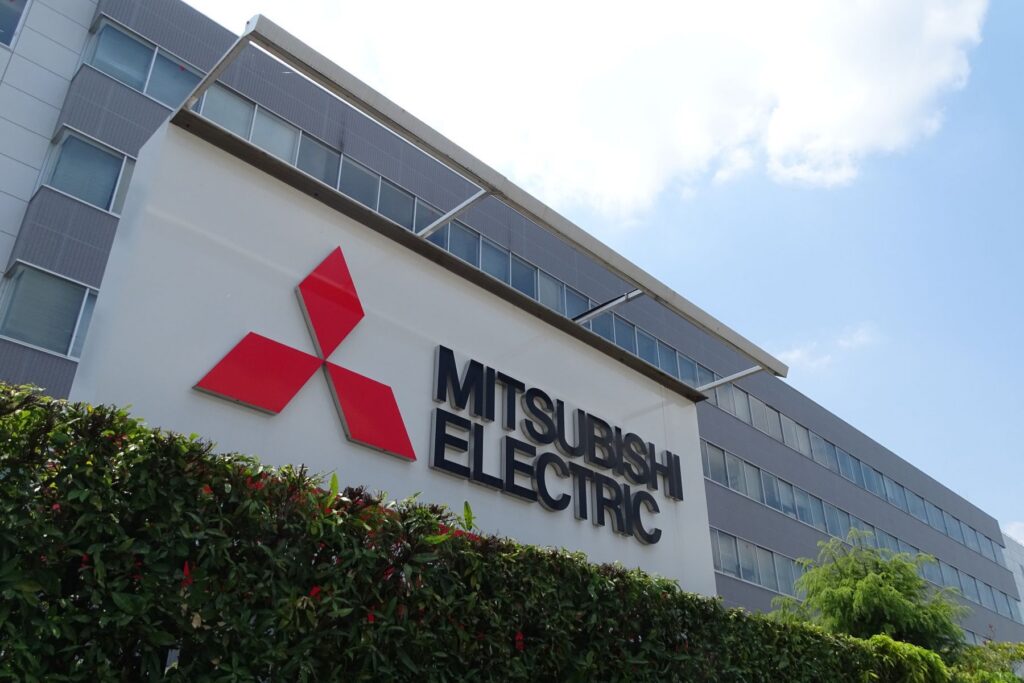
The Mitsubishi Corporation is significantly bigger than the arm that just produces cars and trucks. The wider Mitsubishi Group includes Japan’s largest bank, MUFG Bank (formed in 2006 by a merger between the Bank of Tokyo, Mitsubishi Bank and UFJ Holdings). It’s also Japan’s biggest general trading company and includes many other subsidiaries such as Mitsubishi Atomic Industry, Mitsubishi Power, and Mitsubishi Chemical.
4. Mitsubishi is worth trillions, not billions
Mitsubishi Motors turns over around 10 to 20 billion US dollars every year, but that’s just the part of the corporation that produces road cars. MUFG Bank rakes in around $50 billion alone and owns trillions in assets, while the wider Mitsubishi Corporation turned over nearly $170 billion in 2024.
5. Mitsubishi are not abandoning petrol just yet
One of the first mass-produced electric cars was the Mitsubishi i-MiEV, which launched way back in 2009. It was based on their already extremely successful Mitsubishi i kei car.
Mitsubishi are one of the few Japanese car companies championing electrification, without moving to an ‘all-electric’ strategy. They’ve stated they aim for all car sales to be electrified by 2035, but this will include hybrids and plug-in hybrids.
6. They’re all a bit fast and furious
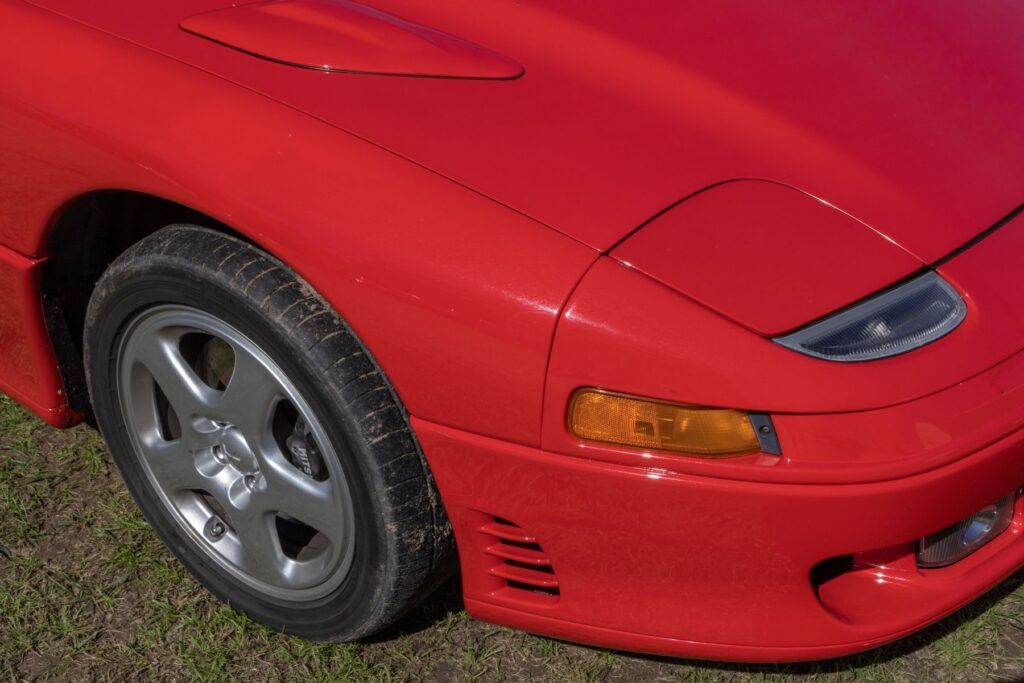
In The Fast And The Furious (2001), Paul Walker’s hero car was originally intended to be a modified Mitsubishi 3000GT. After bringing on car enthusiast and builder, Craig Lieberman, as their Technical Advisor, producers decided that the 3000GT would be something of a downgrade from the heavily modified Mitsubishi Eclipse GS featured earlier in the movie.
Instead, and after seeing Lieberman’s own Toyota Supra TT (which is the car that stars in the film), they opted to feature the now iconic Orange Supra TT instead.
After The Fast And The Furious proved to be a hit with car enthusiasts, Mitsubishi were quick to get in on the sequels. They made a product-placement deal to feature their Lancer Evolution VIII and Eclipse Spyder GTS heavily in 2 Fast 2 Furious (2003). The same Evolution VIII (modified to look like an Evo IX) was used as a hero car in The Fast And The Furious: Tokyo Drift (2006).
7. Mitsubishi is a Dakar legend
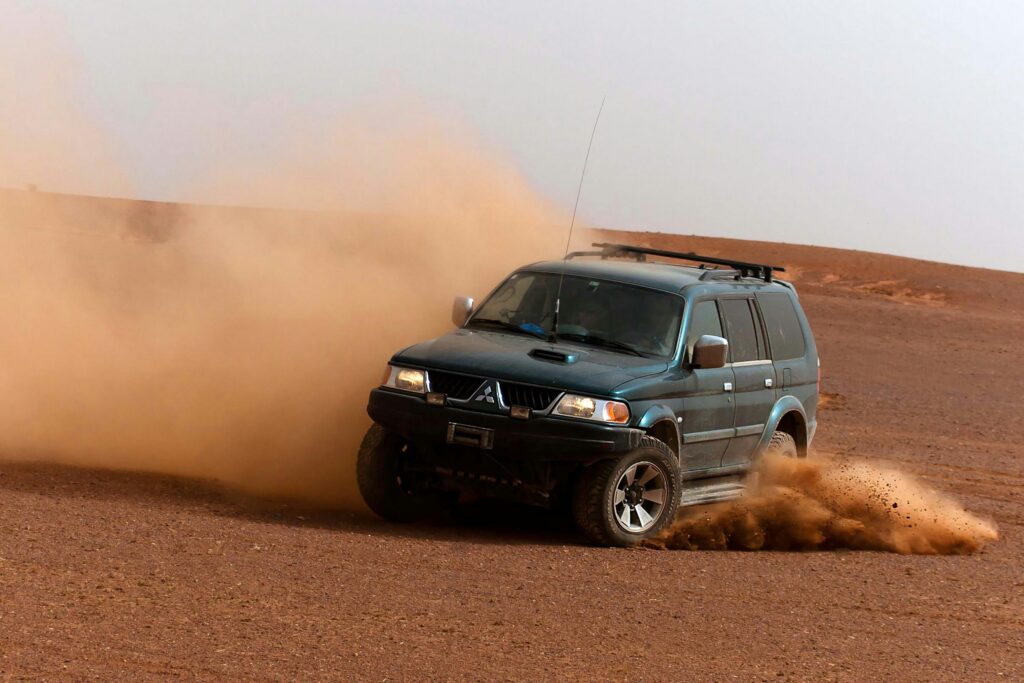
Mitsubishi made its very first foray into the world of rallying at the East African Safari Rally in 1974. They entered a specially developed Lancer 1600 GSR and won the event on their first attempt.
They’re also the most successful manufacturer of all time at the world’s most brutal motorsport event, the Dakar Rally. Their first win came in 1985 in a Pajero Evolution driven by Patrick Zaniroli and Jean Da Silva. The Pajero Evo itself still holds the record for the most Dakar Rally wins for a single model, clocking up 12 between 1985 and 2007.
8. Mitsubishi is huge in Hong Kong street racing culture
Hollywood star Jackie Chan has been an ambassador for Mitsubishi Motors ever since driving a modified Starion in the 1984 movie Cannonball Run 2. Mitsubishis such as Lancer Evolutions and Pajeros have featured in many of his movies over the years, especially his Hong Kong action films. Jackie Chan has also served as the honorary president of Ralliart China, helping to promote the performance division in the region.
In 2006, Mitsubishi produced 50 Jackie Chan Special Edition Evo IXs in his honour. As you can imagine, these are extremely rare and highly sought after by collectors.
9. Mitsubishi are heavily tied with Nissan and Renault
In 2016, Nissan acquired just over a third of Mitsubishi Motors, making the smaller manufacturer a core player in the new Renault-Nissan-Mitsubishi Alliance. Nissan currently owns around one quarter of the company, having reduced their controlling interest in 2024.
10. Mitsubishi made its debut in touring car races
In the world of motorsport, Mitsubishi is most famous for rallying, but it was in touring car racing where they made their debut. They entered the high-profile Macau Grand Prix (which included touring car categories) in 1962 with the idea to promote the Mitsubishi 500, their first passenger car after World War II. It worked handsomely; their Mitsubishi 500 Super Deluxe race cars took the top four places in the under 750cc class.